_edited_p.png)
The Ultimate Guide to Understanding the Natural Aging Process of Asphalt Shingles: What's Normal and What's Not
Updated: Nov 19, 2025
Your roof is often overlooked in home maintenance, yet assessing its condition is crucial. Asphalt shingles, the most common U.S. roofing material, naturally age. Recognizing wear signs can prevent costly repairs.
This guide helps identify common aging signs in asphalt shingles, distinguishing between normal and repair-needed conditions.
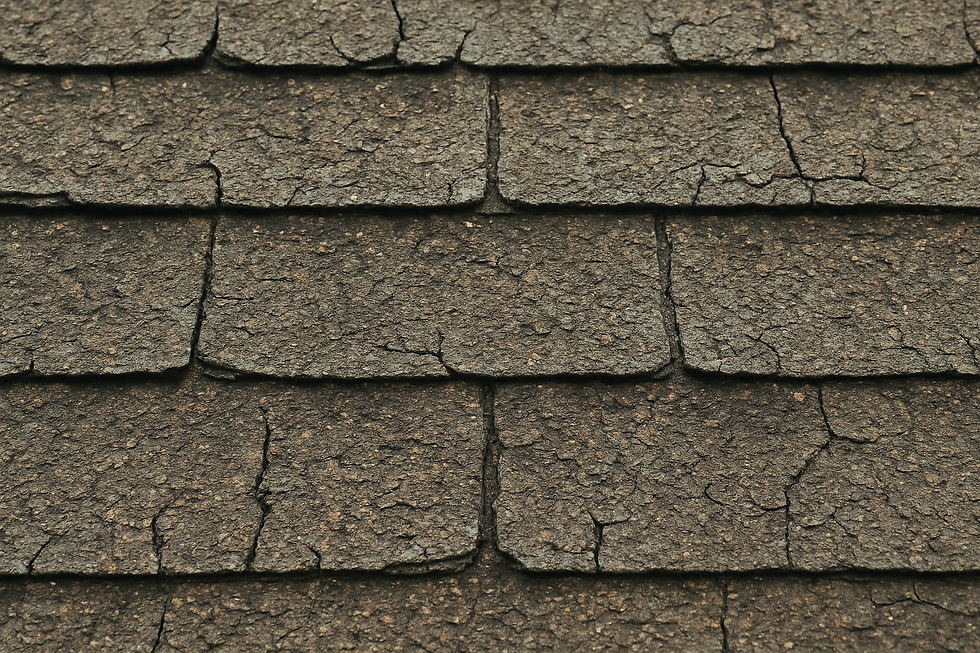
The Asphalt Shingle Advantage
Asphalt shingles, used on about 80% of U.S. homes, are popular due to their affordability, color variety, and easy installation.
The two main types are 3-TAB Shingles and Architectural Shingles (also called Laminated Shingles or Composition Shingles).

Architectural Shingles — These are made up of several layers, giving them a three-dimensional look similar to authentic wood shakes. They offer enhanced durability, typically lasting between 25 to 30 years.
3-Tab Shingles — This simpler design consists of a single layer and is easier to install, typically lasting around 15 to 20 years.
Understanding the longevity and durability of your roofing material allows homeowners to make informed decisions about maintenance and potential replacement.

What’s Normal? What’s Not?
The aging process of shingles is inevitable. Some signs are natural, while others may indicate a need for repairs.
Normal Aging:


In Need of Repair
Identifying signs that indicate a need for repair is crucial for maintaining your roofing system.
Open Blisters — Unlike closed blisters, these bubbles expose the underlying material to moisture, which can lead to potential leaks if not addressed.
Cracks Through the Mat — If the cracks reach the base materials, this could indicate serious structural issues that need to be addressed immediately.
Exposed Asphalt Due to Granule Loss — A significant loss of granules—over 10%—can reveal the asphalt beneath, making it susceptible to damage from UV rays and moisture.
Curling or Cupping Shingles — Warped edges allow water to work beneath the shingle, increasing the risk of leaks and accelerating overall roof deterioration.
Flaking Shingles — When the surface layer peels away, the exposed material weathers quickly, leading to faster aging and potential moisture intrusion.
Foot-Traffic Damage — Granules knocked loose from walking weaken UV protection, causing hot spots that age faster and may develop leaks.
Manufacturing Defects — Irregular or poorly bonded shingles can fail prematurely, compromising the roof’s ability to protect against wind and water.
Nail Pops — Raised nails lift the shingle, breaking the seal and creating direct pathways for water to penetrate the roof system.
Being able to recognize these signs helps in proactively maintaining your roof's well-being.
The Aging Process of Asphalt Shingles
The aging of asphalt shingles does not unfold evenly; various factors influence this process.
Climate — Areas that experience extreme temperatures can accelerate aging. For instance, a roof in a region with frequent hailstorms or heavy snowfall may age faster than one in a milder climate.
Environmental Exposure — Factors like air pollution, UV radiation, and heavy rainfall can contribute to wear over time.
For example, regions with high UV exposure can lead to a decline in the life expectancy of asphalt shingles. Studies have shown that roofs exposed to continuous sun can deteriorate 20% faster than those in shaded areas.
Proactive Maintenance Tips
Taking proactive measures can significantly extend the life of your asphalt shingles.
Regular Inspections — Schedule inspections at least twice a year. During your inspection, look for curling, cracks, opened blisters, and any significant granule loss.
Roof Cleaning — Regularly removing debris like leaves and branches prevents water pooling, which can lead to algae buildup.
Trimming Branches — Keep overhanging tree limbs trimmed back to minimize damage from falling debris and to reduce moisture retention.
Consider Protective Coatings — Applying a protective sealant can provide an extra barrier against harsh weather elements, UV rays, and potential water damage.
Consult a Professional — If you’re uncertain about your roof’s condition or whether repairs are necessary, scheduling an inspection with Black Coast Roofing ensures you get expert insight. Our team can identify issues that aren’t visible to the untrained eye and recommend the most appropriate, cost-effective solutions to protect your home.
Final Thoughts
Understanding the natural aging of asphalt shingles helps prevent minor issues from becoming major repairs. Recognizing normal wear versus problems improves roof care and protects your home's value.
Proactive maintenance and timely repairs are essential to prevent costly home damage. Your roof, beyond aesthetics, is your primary defense against the elements. Regular care ensures asphalt shingles provide long-lasting protection.


Comments